

Relations between Israel and Turkiye continue to deteriorate amid accusations and heightened geopolitical tensions.
With the likelihood increasing of a United States attack on Iran, Israeli politicians are already turning their attention to another regional rival: Turkiye.
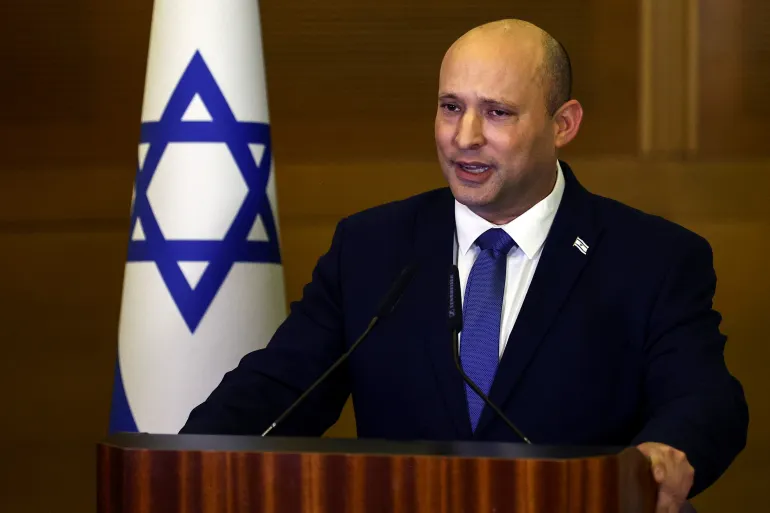
Former Israeli Prime Minister Naftali Bennett, who is expected to run and do well in the country’s elections this year, was the latest prominent politician to declare Turkiye a threat to Israel.
Speaking at a conference last week, Bennett said that Israel must not “turn a blind eye” to Turkiye, accusing it of being part of a regional axis “similar to the Iranian one”.
“A new Turkish threat is emerging,” Bennett said. “We must act in different ways, but simultaneously against the threat from Tehran and against the hostility from Ankara.”
Other Israeli politicians have said similar things in the past few months, with Turkiye a strong critic of Israel’s actions towards the Palestinians and its genocidal war on Gaza, and also getting closer to regional powers such as Saudi Arabia and Egypt.
The tone indicates that while the Iranian government remains in power in Tehran, Israel is already looking for a new regional nemesis, with a network of like-minded states around it.
On Sunday, Israeli Prime Minister Benjamin Netanyahu, while announcing the forthcoming visit of Indian Prime Minister Narendra Modi, declared his intention to forge a new “hexagon” of alliances that would outflank a so-called “emerging radical Sunni [Muslim] axis”, and cement Israel’s regional influence.
Included in that alliance would be countries like Greece and Cyprus, which have historically had antagonistic relations with Turkiye.