

Al Jazeera, 20 September 2026
Turkiye expresses readiness to assist Saudi Arabia as Houthi attacks escalate, testing a recent trilateral defence agreement.
Turkiye says it is ready to help meet Saudi Arabia’s military needs as Riyadh faces escalating attacks from Yemen’s Houthis, potentially putting a newly signed Mecca defence pact to its first major test.
Last month, Saudi Arabia, Turkiye and Pakistan signed the Mecca Joint Defence Agreement, which treats an armed attack on any of its three member countries as an attack on all three, amid growing regional tensions.
Turkish Foreign Minister Hakan Fidan said Saudi Arabia may require military assistance, particularly on “technical issues” and that Ankara would have no problem providing it.
“There are limitations that prevent Turkiye from having a direct combatant role in the conflict,” said Telci.
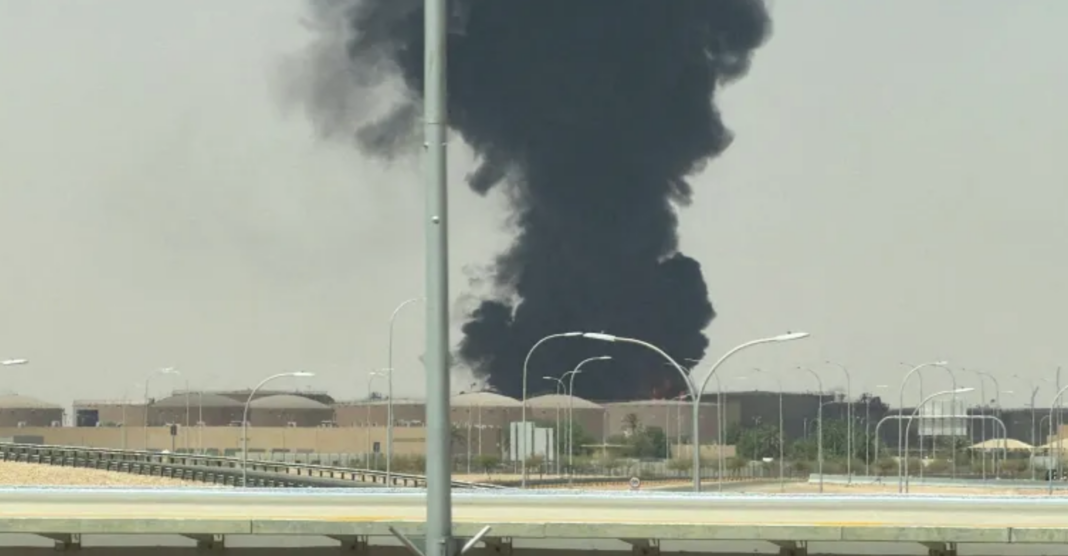
His comments come as Houthi missile and drone attacks increasingly target Saudi cities, energy infrastructure and shipping, opening another front in the wider regional conflict that began with the US-Israeli war on Iran in February.
The escalation has also raised the stakes for global energy supplies, as the Iran-aligned Houthis tightened their grip on the Red Sea, which has been used as an alternative route for Saudi oil exports amid the blockade of the Strait of Hormuz.
So, what does Turkiye’s offer mean in practice and will the defence pact trigger military involvement by its members?
What did Turkiye say?
Speaking to Turkish media on Saturday, Foreign Minister Hakan Fidan said Saudi Arabia could have military requirements because of the continuing Houthi attacks and that Ankara was prepared to provide assistance under its defence agreement with Riyadh and Islamabad.
“We see there are very serious attacks on Saudi Arabia’s territorial integrity, sovereignty,” Fidan told Turkish broadcaster NTV.
He said Saudi Arabia “may have some military needs, especially on some technical issues”, adding that Turkiye would have “no issues in meeting these”.
Fidan did not specify what assistance Turkiye might provide.
Defence analyst Alex Afirraz Scheers said Turkiye can offer both defensive and offensive support, plus intelligence assistance.
“On defence, Riyadh’s layered air-defence network – built primarily around Patriot batteries and THAAD – has been stretched by the volume and tempo of Houthi missile and drone salvos,” Scheers told Al Jazeera.
“On the offensive side, Riyadh could request combat-proven Turkish drone and missile capabilities … to give it an asymmetric strike option against Houthi launch sites, something it has arguably lacked since Washington rebuffed direct support requests.”
Nawaf Obaid, a senior research fellow at King’s College London, said Saudi Arabia and its allies are putting together a coordinated military response to recent Houthi attacks, arguing that Riyadh is less isolated than it may appear.
“There is a coalition coalescing around the threat on how to properly respond to what the Houthis have been doing,” he told Al Jazeera.
Obaid said the response “is coming”, adding: “It is going to be sequenced. It is going to be massive. It is going to be fused together and it’s going to be land, sea and air.”
The analyst said countries had already begun moving weapons systems into the kingdom and deploying fighter jets to the Red Sea, identifying Turkiye as a key participant and Egypt as a possible partner in a more limited operational role.
Al Jazeera could not independently verify Obaid’s claims.
Mohamad Elmasry, a professor at the Doha Institute for Graduate Studies, said that “the Saudis are kind of stuck”.
“They’ve reached out to numerous allies. Allies are producing some measure of support – logistics support, intelligence, weapons – but it doesn’t look like the Pakistanis or the Turks or the Egyptians or the Americans, or anyone else, wants to get directly involved in kinetic military action,” Elmasry told Al Jazeera.
What is the Mecca defence pact?
Saudi Arabia, Turkiye and Pakistan formally named the arrangement the Mecca Defence Alliance on August 31, after officials meeting in Istanbul agreed to set up a secretariat in Riyadh, to be headed initially by a Pakistani secretary-general.